Concrete Tank Repair: Extending the Lifespan and Ensuring Water Quality
Cracks, corrosion, and roof damage are repairable. What goes wrong with concrete tanks, how each fault is fixed, and why repair usually beats replacement.
Concrete tanks are built to last decades, but ground movement, weather, and age all take their toll. Most of what goes wrong is repairable — and repairing is usually far cheaper than replacing.
What is concrete tank repair?
Concrete tank repair involves restoring cracked, leaking, or structurally compromised concrete tanks so they continue to function effectively. Concrete tanks can be susceptible to a variety of issues over time, including cracks due to shifting ground, corrosion, exposure to harsh weather, or general wear and tear. These issues can cause water loss, contamination, and reduced efficiency.
Repair work typically covers:
- Cracked tank repair: Addressing and sealing cracks to restore the tank's integrity
- Roof repairs: Fixing damage to the tank's roof to prevent water infiltration and structural weakening
- Septic tank repairs: Repairing cracks or damage to septic tanks, ensuring proper functionality
- Structural repairs: Restoring tanks that have structural damage due to stress or environmental factors
- High-pressure surface cleaning: Removing corrosion and buildup, preventing long-term damage
Why repair matters
1. A cost-effective alternative to replacement
Repairing a damaged concrete tank is often far more cost-effective than replacing the entire tank.
Tank replacement can be expensive and time-consuming, particularly with larger systems. Repair preserves functionality while extending asset life considerably.
2. Prevents water contamination and loss
Cracks and leaks can lead to water contamination, which is especially concerning when storing potable water. Leaking tanks may also result in water loss, disrupting supply. Timely repairs keep the tank intact and functional.
3. Prolongs the life of the tank
With regular maintenance and repairs, the lifespan of a concrete tank can be extended significantly. This proactive approach avoids premature replacement and maximises the return on the original investment.
4. Maintains structural integrity
Structural damage can compromise a tank's ability to hold water safely. Regular inspections and timely repairs ensure it can withstand environmental pressures such as extreme weather, shifting ground, or the weight of stored water.
5. Avoids future system failures
Scheduled maintenance identifies potential issues before they escalate. Catching leaks, faults, or outdated equipment early reduces the risk of system failure and the expense of emergency repairs.
Common problems and their fixes
1. Cracks and leaks
Cracks are the most common issue with concrete tanks, caused by natural settling of the ground, exposure to extreme temperatures, or simply age. Cracks lead to leakage, which means both water loss and a contamination risk.
The fix: High-quality sealants and waterproofing materials seal the cracks and prevent further leakage, restoring the tank's integrity.
2. Corrosion and surface damage
Older tanks in particular can suffer corrosion or surface damage from moisture, chemicals, or high salinity in coastal areas. Corrosion weakens the structure and leads to leaks.
The fix: High-pressure surface cleaning removes corrosion and buildup, followed by protective coatings that prevent it returning.
3. Roof damage
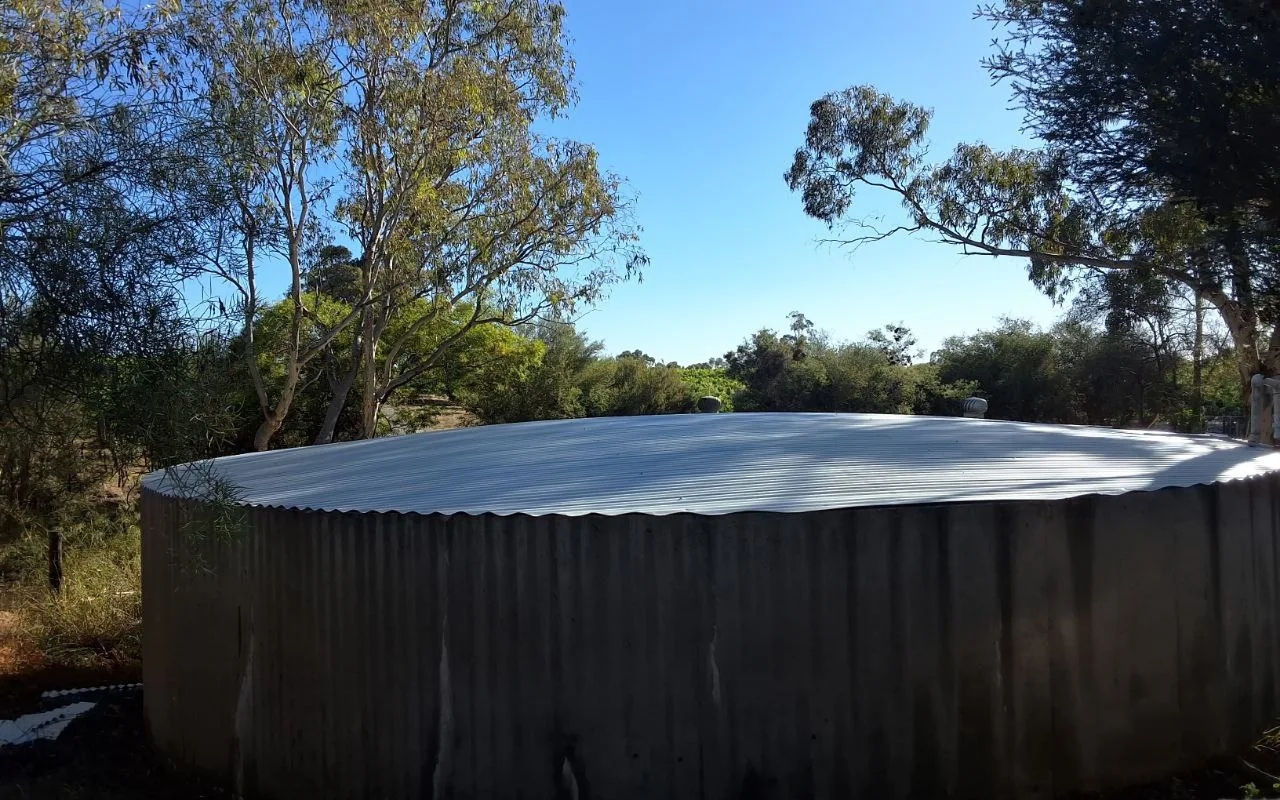
A tank roof is exposed to heavy weather, impacts, and general wear. A damaged roof allows water to enter, compromising both water quality and structural integrity.
The fix: Patching holes, reinforcing structural components, and re-establishing a watertight seal.
4. Septic tank faults
Septic tanks suffer cracking, blockages, and structural damage from exposure to harsh chemicals and waste, which can disrupt the whole system.
The fix: Crack sealing, cleaning, and structural restoration to return the system to working order.
Conclusion
Concrete tanks are a vital part of water storage systems for residential, commercial, and agricultural use. Over time they can crack, leak, and corrode — but regular maintenance and timely repair extend their lifespan, maintain water quality, and avoid the far larger cost of replacement.
This guide was produced by the KC Resources & Services team in Australia. Where it refers to regulations or standards, these apply to Australia. Please confirm the requirements that apply in your own location.