Fire Storage Tanks: Essential Water Storage Solutions for Fire Suppression
What fire storage tanks do, why capacity and fittings matter, and the role they play in protecting properties in high-risk areas.
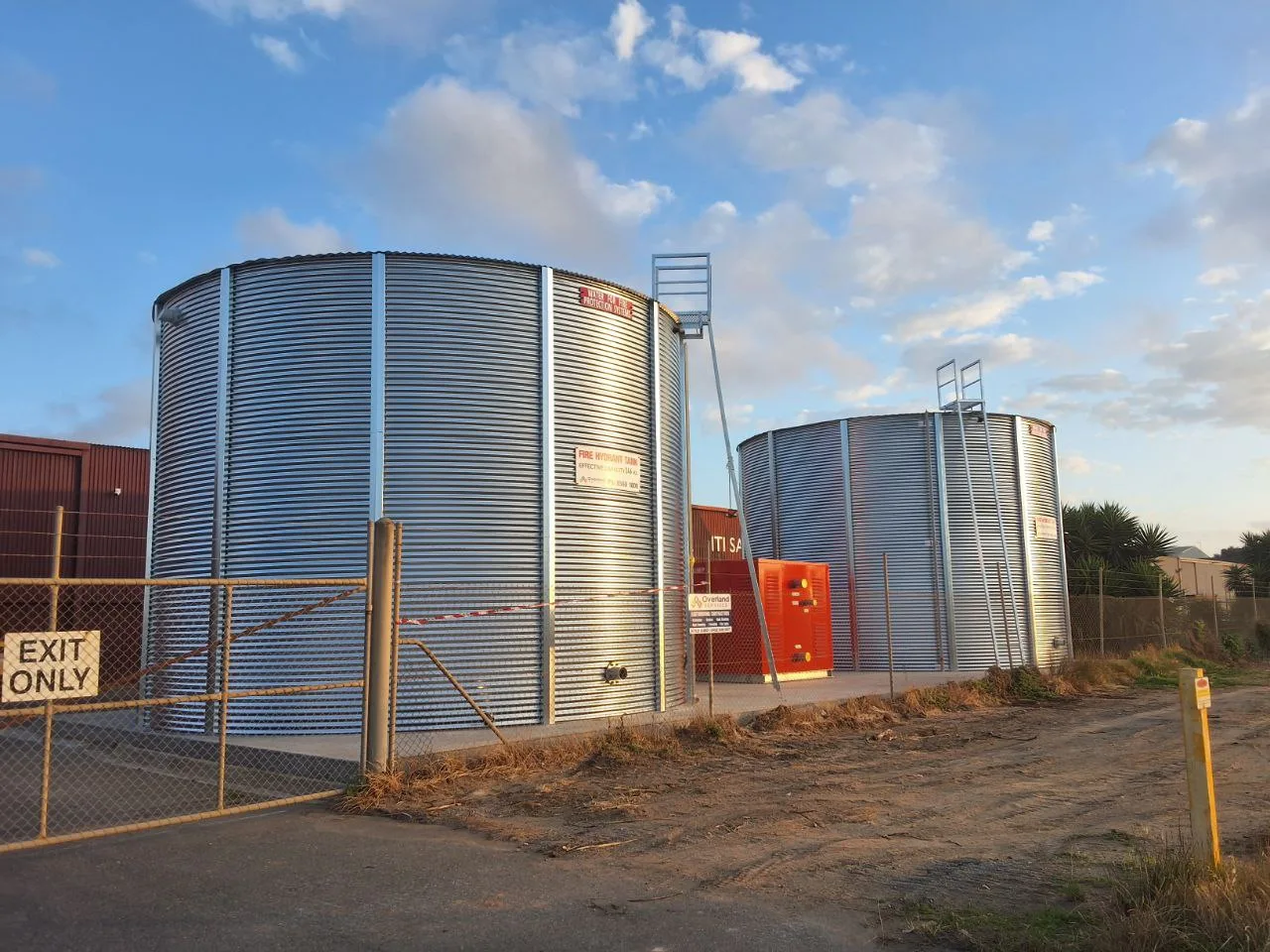
When mains water is unavailable or too far away, on-site storage is what makes fire suppression possible. This is what fire storage tanks do and what separates an effective installation from an inadequate one.
What are fire storage tanks?
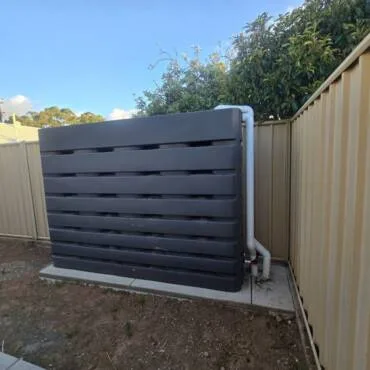
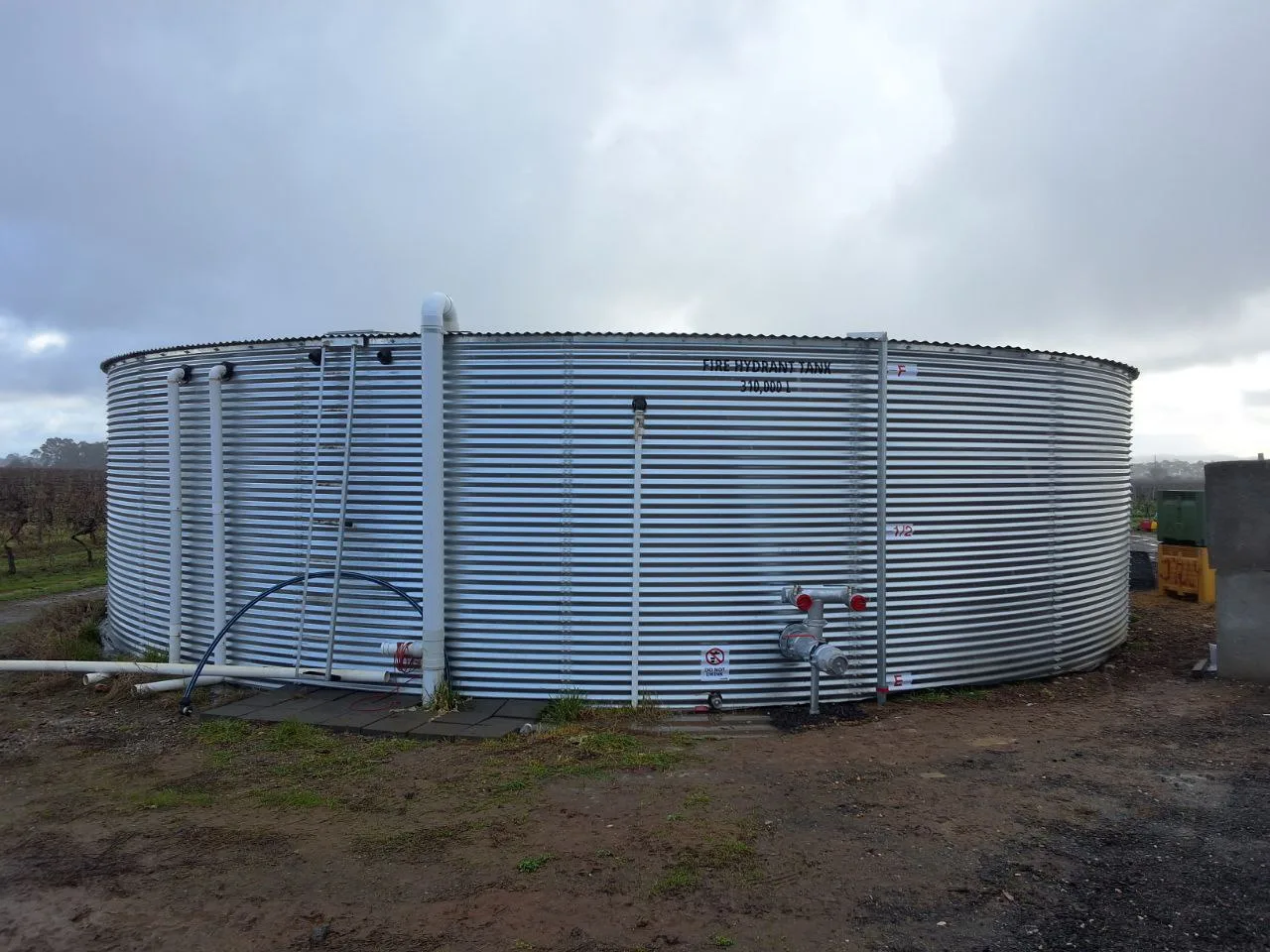
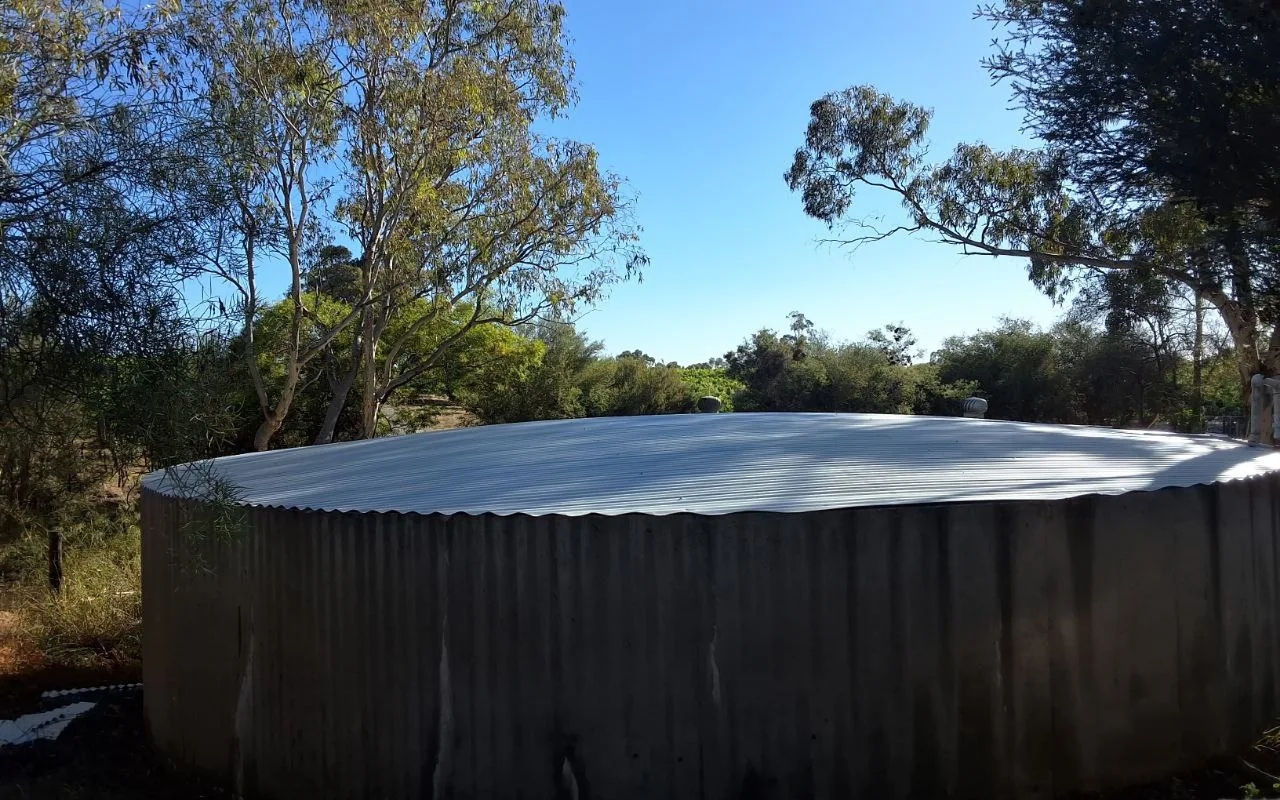
Fire storage tanks function as large water reservoirs specifically engineered to maintain water supplies for emergency fire response. These systems are commonly deployed in high-risk regions including bushfire-prone zones, industrial facilities, and rural properties where standard water access may be compromised during emergencies.
The primary function involves providing dependable water sources to enable firefighting operations, including supplying fire trucks, hydrants, sprinklers, and suppression equipment. Installation occurs across residential, commercial, and industrial settings. These tanks are manufactured in various capacities and designs, with heavy-duty options for expansive properties and smaller variants for urban applications.
Why fire storage tanks matter
1. Regulatory compliance
Many Australian jurisdictions legally mandate adequate water storage on fire-prone properties. Requirements vary by country and by local authority, so confirm the rules that apply to your site before specifying a tank.
2. Support for firefighting efforts
On-site water reserves enable rapid fire suppression system activation, supporting sprinklers, hydrants, and emergency response vehicles. Sufficient water storage significantly improves containment and extinguishing capabilities.
3. Robust and durable construction
Tanks withstand extreme conditions and natural disasters through durable polyethylene, steel, or concrete construction, maintaining operational reliability during emergencies.
4. Integration with firefighting systems
Purpose-built compatibility with fire hydrants, Storz fittings, and automatic sprinkler systems ensures rapid water access for firefighters during an incident.
5. Adequate volume for suppression
Tank capacity directly impacts firefighting effectiveness. Regular maintenance prevents operational failures at the moment the system is most needed.
Key benefits
- Essential for regulatory compliance in fire-prone zones
- A reliable independent water source during emergencies
- Extended lifespan through corrosion-resistant materials
- Minimal installation disruption, with routine maintenance requirements
- Security and preparedness for high-risk properties
Conclusion
A fire storage tank is only as good as its capacity, its fittings, and its maintenance record. Getting all three right — sized to the property, fitted to the standard local responders use, and inspected on a schedule — is what turns stored water into a working part of a fire safety system.
This guide was produced by the KC Resources & Services team in Australia. Where it refers to regulations or standards, these apply to Australia. Please confirm the requirements that apply in your own location.